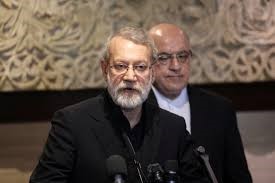
In the midst of a dramatic escalation between Iran, the United States and Israel, The Wall Street Journal reported that Iran’s top security official, Ali Larijani, had made a renewed diplomatic effort to reopen nuclear talks with Washington through intermediaries a development that, if accurate, could signal a shift in Tehran’s posture after weeks of mounting tensions and military strikes.
The purported diplomatic push came against the backdrop of the 2026 U.S. Israeli military campaign against Iranian targets, including high-level leadership strikes that reportedly killed Supreme Leader Ayatollah Ali Khamenei and other senior officials.
The Reported Push for Talks
According to the WSJ coverage, Larijani sought to leverage back-channel communications facilitated by Omani mediators to explore reviving indirect negotiations with U.S. officials. This was seen as an attempt to de-escalate tensions and find a diplomatic off-ramp to the crisis, especially amid fears that the conflict could spread further across the Middle East.
For months, intermittent indirect nuclear negotiations had been underway between U.S. and Iranian delegations. These talks held in venues such as Geneva and Muscat and involving Iran’s Foreign Minister Abbas Araghchi and U.S. envoys including Steve Witkoff had produced “constructive” exchanges but no final agreement, as each side remains far apart on core issues like uranium enrichment and sanctions relief.
Immediate Denial from Tehran
Shortly after the WSJ report surfaced, Larijani publicly denied any initiative to resume negotiations with the United States, taking to the social platform X (formerly Twitter) to assert that “We will not negotiate with the United States.” Iranian state-linked reporting and analysts noted his comments amid the heightening conflict.
This denial aligns with broader Iranian rhetoric since the American and Israeli strikes intensified, dismissing any willingness to pursue direct talks. Tehran now under a provisional leadership structure following the reported death of Khamenei has instead emphasized resistance to external pressure and framed the conflict as one of sovereignty and defense against foreign intervention.
The contradictory reports between the initial WSJ story and Tehran’s outright denial illustrate the broader diplomatic ambiguity surrounding Iran-U.S. relations. Before the recent military escalation, Iran’s foreign ministry publicly stated that a negotiated deal was possible “provided diplomacy is given priority” and that constructive ideas had been exchanged in Geneva.
Still, disagreements over fundamental matters including Iran’s continued enrichment activities, sanctions, and stringent U.S. demands for nuclear restraints have repeatedly stalled progress. Both sides had agreed to continue talks in the coming days even as tensions surged.
Analysts say that even the suggestion of renewed dialogue — whether accurate or not — underscores the intense global pressure to avoid a broader war. World powers have called for restraint and a return to negotiation frameworks, while international bodies like the United Nations Security Council have urged all parties to seek diplomatic solutions to avoid regional destabilization.
Yet Tehran’s official denial reinforces the deep mistrust between the Islamic Republic and Washington. Historical grievances including the U.S. withdrawal from the 2015 nuclear agreement and subsequent sanctions continue to cloud any potential for substantive diplomacy.
In the span of a few hours, what began as a potential sign of diplomatic engagement was swiftly recharacterized by Iranian leadership as categorically rejected. Whether the original report reflected genuine outreach, strategic messaging, or differing narratives from competing media environments remains uncertain.
What is clear is that Iran’s willingness to engage directly with the United States on nuclear issues even in a mediated or indirect format remains highly contentious, particularly amid active military hostilities and deep strategic distrust on both sides.