In a dramatic escalation of hostilities in the Middle East, Israel has carried out a significant military attack against Iran, which its defense minister described as a “preventative” or pre-emptive strike aimed at neutralizing perceived threats from Tehran. The operation marks one of the most serious confrontations between the two nations in decades and has rapidly drawn in regional and global actors.
On 28 February 2026, the Israeli Defense Forces (IDF), in coordination with the United States, commenced a broad military offensive against targets inside Iran. Israeli Defense Minister Israel Katz stated that the strikes were “preventative,” designed to remove imminent threats to Israel’s security, including Iran’s missile and drone capabilities.
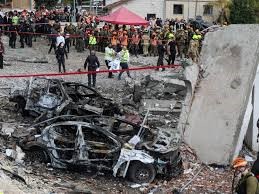
Explosions were reported across Tehran and other parts of Iran, with Israeli forces targeting key military and command infrastructure. Iranian media and Western outlets have also reported that the Supreme Leader of Iran, Ayatollah Ali Khamenei, was killed in the strikes a development that has sent shockwaves through the region.
In response, Iran launched waves of ballistic missiles and drones at Israeli territory and US military bases across the Middle East. Sirens were heard in Israel, schools and workplaces were closed, and defense systems were activated to intercept incoming threats.
Hezbollah, the Iran-backed militant group in Lebanon, fired rockets and missiles into northern Israel, prompting Israeli strikes on Lebanese territory.
A British military base in Cyprus was struck by what was described as a suspected drone, part of the broader regional spill over.
Global oil markets reacted strongly, with crude prices surging amid fears of disruption in the Strait of Hormuz, a critical chokepoint for global energy supplies.
Nations around the world have called for restraint, even as geopolitical alignments become more pronounced:
The United Kingdom has stressed the need for clear legal justification from the United States for its military role, emphasizing concerns about escalating civilian harm across the region.
European Union members urged “maximum restraint” to prevent a broader war.
Leaders in the Middle East and beyond are tracking developments closely, with some warning that the hostilities could continue for weeks.
The sudden outbreak and rapid expansion of violence have had immediate effects on civilians and military operations alike:
Iranian missile strikes have struck towns and neighborhoods within Israel, causing casualties and heightening fear among the civilian population.
Tens of thousands of travelers have been stranded due to the closure of airspace across the Gulf, as major airlines halt flights amid security concerns.
There are growing fears of a wider regional war, with multiple fronts opening and non-state actors such as Hezbollah actively engaged in combat.
Israeli leadership, including Prime Minister Benjamin Netanyahu, has vowed to continue strikes and expand pressure on Iranian infrastructure, hinting at future operations that could target “thousands of regime targets” if necessary.
Meanwhile, Tehran has declared it will not negotiate with the United States and has positioned itself for a prolonged conflict. The death of Ayatollah Khamenei has thrust Iran into a sensitive political transition, raising questions about leadership succession and future strategy.
What began as a “preventative attack” by Israel has quickly escalated into a broader military confrontation involving multiple nations and factions. The strikes and counterstrikes have amplified regional instability, impacted global markets, and triggered international calls for restraint, underscoring the fragile balance of security in the Middle East.